
Philip Brocoum
Philip Brocoum
Lead Software Engineer
coding & shipping at Olio Apps in Portland, OR
Scroll to read more...
Lead Software Engineer
coding & shipping at Olio Apps in Portland, OR
Scroll to read more...
Hello! 👋 I'm Philip, and I began developing with Ruby on Rails at a startup in NYC in 2007. I have 10 years of Software Engineering experience, and 4 years as a Manager and Lead Engineer. I've climbed from Developer to Senior Developer, to Lead Developer, to Senior Engineering Manager leading a world-wide remote team of twelve.
I run projects at Olio Apps as our Lead Software Engineer in Portland, OR. When not at work I enjoy walking my dog, playing live poker at Portland Meadows, and vlogging on my YouTube channel. I believe in making computers accessible and helping the disabled. I'm optimistic about the future :-)

Engineering leadership, hiring & management of remote Agile teams across the world

Shipping apps since 2007. Backend, front-end, APIs, web, mobile, App Stores.

App development with Ruby on Rails majestic monolith

Responsive single-and-multi-page-apps in TypeScript deployed to Vercel
Creating and consuming robust and performant APIs

Frontend design with HTML 5, CSS 3, and JS/TypeScript/jQuery

DB administration of MySQL & PostgreSQL

Scaling cloud infrastructure in AWS and Azure with Chef, including EC2, RDS, and S3

Production apps w/ SOC 2 compliance & CI/CD on Bitbucket, AWS, Vercel, Apache, Nginx, and Puma

Containerize all the things!

git-flow is my preferred branching model

Ubuntu & CentOS server administration / bash scripting
I started in tech as an analyst at Brightidea back in 2007 when I was 25. At that time, I was transitioning away from mathematics and education. I taught myself Ruby on Rails and was hired a year later at readMedia as their first full-time developer. We grew the company and turned it into what Merit is today.
I now lead all development at Syncta as our Senior Software Engineering Manager in Portland, OR. I hire and roadmap the projects for our team, take the technical lead on new and existing apps, and plan for my team's career advancement. My passion has always been to hire great teams to build great products with great technologies.
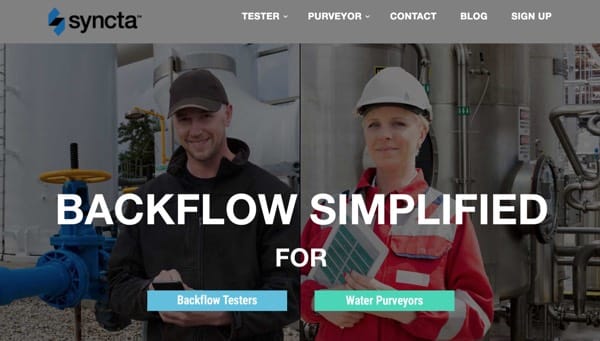
Syncta provides mobile software for backflow testers and water purveyors. I hired the team, plan their career advancement, and roadmap our projects. I'm hands-on with our main Ruby on Rails app, the API that powers our iOS and Android apps, and our SOC 2 security compliant AWS infrastructure.
Visit Syncta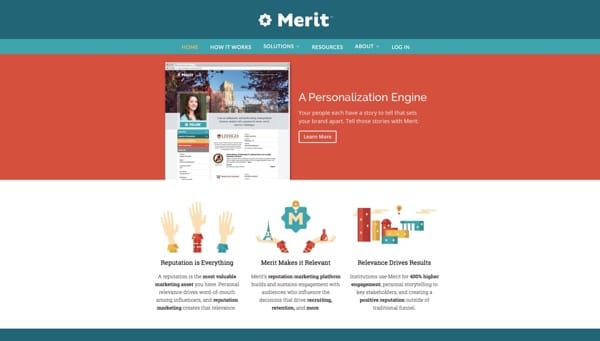
Merit showcases student achievements at hundreds of colleges and universities. Meritpages.com is the largest Rails app I've ever worked on, comprising eight Rails apps deployed in a services architecture on an AWS Ubuntu Linux cluster.
Visit Merit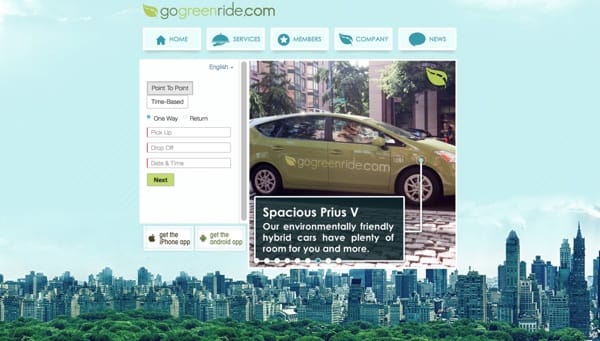
Go Green Ride is an eco-friendly ridesharing alternative to Uber. GoGreenRide.com and its accompanying iOS and Android apps use a Rails backend that heavily utilizes geolocation services and is deployed on Rackspace using Phusion Passenger.
Visit Go Green Ride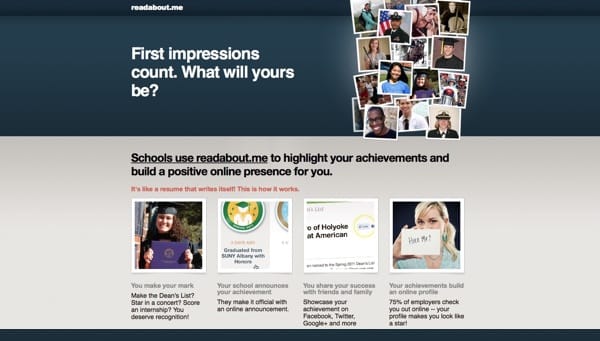
readabout.me was the predecessor to Merit, focusing primarily on students. The Rails app was deployed on Heroku initially, but with its success we quickly outgrew Heroku and switched to AWS.
Visit readabout.me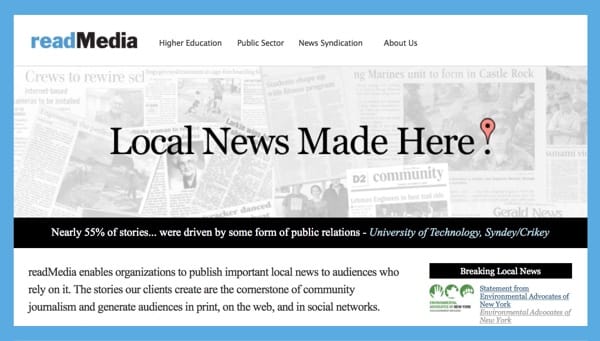
readMedia sends press releases to newspapers via mail merge for its clients all over the country. I upgraded the readMedia.com Rails 2 app to Rails 3, helped move it onto AWS, and was one of three developers working full-time on the app for many years.
Visit readMedia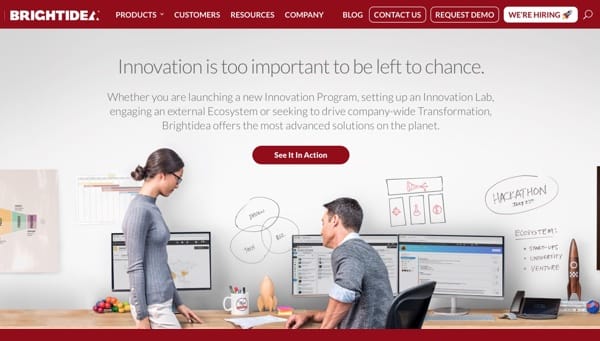
Brightidea provides innovation management software-as-a-service. As one of their early employees, I helped with sales, onboarding, consulting, traveling, and running their software.
Visit BrightideaI majored in mathematics in college and grad school, and my first career was as a teacher in New York City. However, I always loved computers and quickly transitioned to my new career as a developer.
I often program for fun, and you can browse my side projects on GitHub. I once wrote a Ruby script to nab myself tickets to The Daily Show, which was first-come-first-serve on its website at the time, and you never knew when tickets would become available.
I majored in mathematics in college and grad school, and my first career was as a teacher in New York City. However, I always loved computers and quickly transitioned to my new career as a developer.
I have two publications: "Reflections in a Euclidean Space," and "Exploration of Reflection Holograms and Their Fringes With a Scanning Electron Microscope."
I attended NYU through Math for America where I took my theoretical knowledge of mathematics and added practical knowledge of teaching.
After getting my Master's degree, I taught 6–8th grade math at the Shuang Wen School (P.S. 184) in Chinatown.
I often program for fun, and you can browse my side projects on GitHub. I once wrote a Ruby script to nab myself tickets to The Daily Show, which was first-come-first-serve on its website at the time, and you never knew when tickets would become available.
Made with React.js, Material UI, and deployed on Firebase, I built an app to track $30,000 of my own live poker winnings.
Sci-Fi Voter definitively answers the question, "What is the best Star Trek episode?"
Taggy for Evernote was my app in the Mac App Store. Taggy makes your Evernote tags function as you want them to: hierarchically.
Arkanoid is my take on the classic Nintendo Breakout game. Written in C for MS DOS long ago.
I maintain a healthy work/life balance. If you'd like to learn more about me beyond my professional life, check out the links below!

With 1 million views, my Yoshimoto Cube video is my 15 minutes of fame.

Rated 1618 USCF and 2000-ish on Lichess, I'm always looking to improve.

I have over $30,000 in live poker earnings.

Such a good dog, but he sometimes sits onkjf ssadkl
HHi there! I'm currently the Software Engineering Manager in charge of development at Syncta. We provide mobile software for backflow testers and water purveyors, and I lead the development of our Ruby on Rails app. If you've made it this far, drop me a line. Send an email and I'll speak with you soon 👍.
Copyright © 2025 by Philip Brocoum. Icons by Icons8.


